Bérengère Wittamer has devoted more than thirty years of her professional life to architecture and urban design. It was during those years that her distinctive artistic language took shape — precise, balanced, and grounded in the dialogue between form and space. Yet, over time, the logic of architecture no longer sufficed: the desire to go beyond its limits to give form to what only art can express became her driving force. When Bérengère began her artistic career, she already possessed an architectural inner vision — disciplined, exact, and attuned to the structure of space.
Her work emerges from experience — from contemplation, encounters with different cultures and emotional landscapes formed by her travels. Her gaze carries a quiet curiosity: she observes, studies, and then constructs — not only buildings, but their perceived forms, entire worlds from her impressions and through her memory.
Mythology is a guiding thread, a way of knowing. By engaging with Jung’s theories of archetypes and the collective unconscious, she investigates the underlying structures that shape our world. This exploration allows her to move beyond surface appearances, guiding her toward a deeper understanding of human nature. Through this process, she seeks to grasp the essence of social dynamics and to discover her own identity within them.
The central figure in her work, woman — mythic, primal, archetypal — the one described by Clarissa Pinkola Estés in Women Who Run with the Wolves: “The Wild Woman is not a destructive force, but a source of life. She carries the knowledge of instincts, cycles, and the deep understanding of what the soul requires.”
The woman in Bérengère’s work undergoes a complex journey: she experiences the distortions imposed by society, losing her connection with her ancestral past — and then finding her way back. A return to self, to completeness, to the vital energy from which everything begins.
With exhibitions in Paris, Luxembourg, and Knokke, Bérengère Wittamer has continued the exploration of themes that link reality and imagination. Reflection is punctuated by birth, motherhood, and a yearning for utopia — where new archetypal figures emerge, protective and luminous.
Her first exhibition in Brussels brings together two years of searching, offering a diverse body of work inviting viewers on a journey to the depths of human experience. Here, ancient myths continue to resonate, intertwining with those still being written, illuminating our individual paths toward our futures as women.
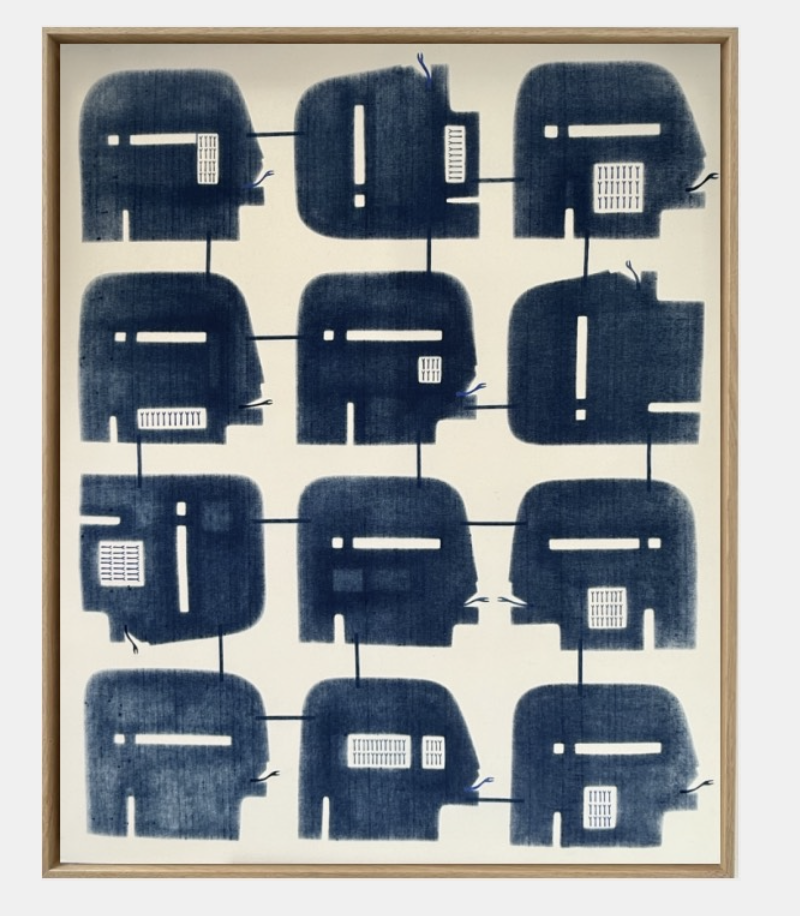
Human Planning in Blue, 2026, ink and pigments on canvas, 164 × 134 × 6 cm
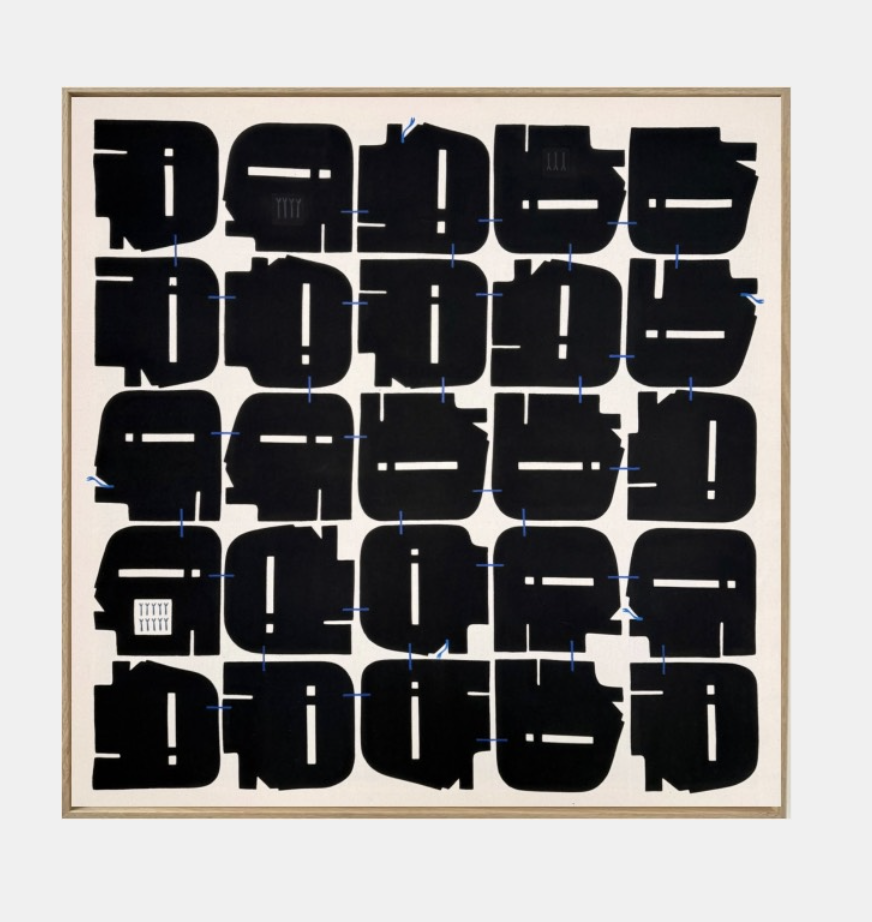
Human planning II, 2026, ink and pigments on canvas, 134 x 164 x 6 cm
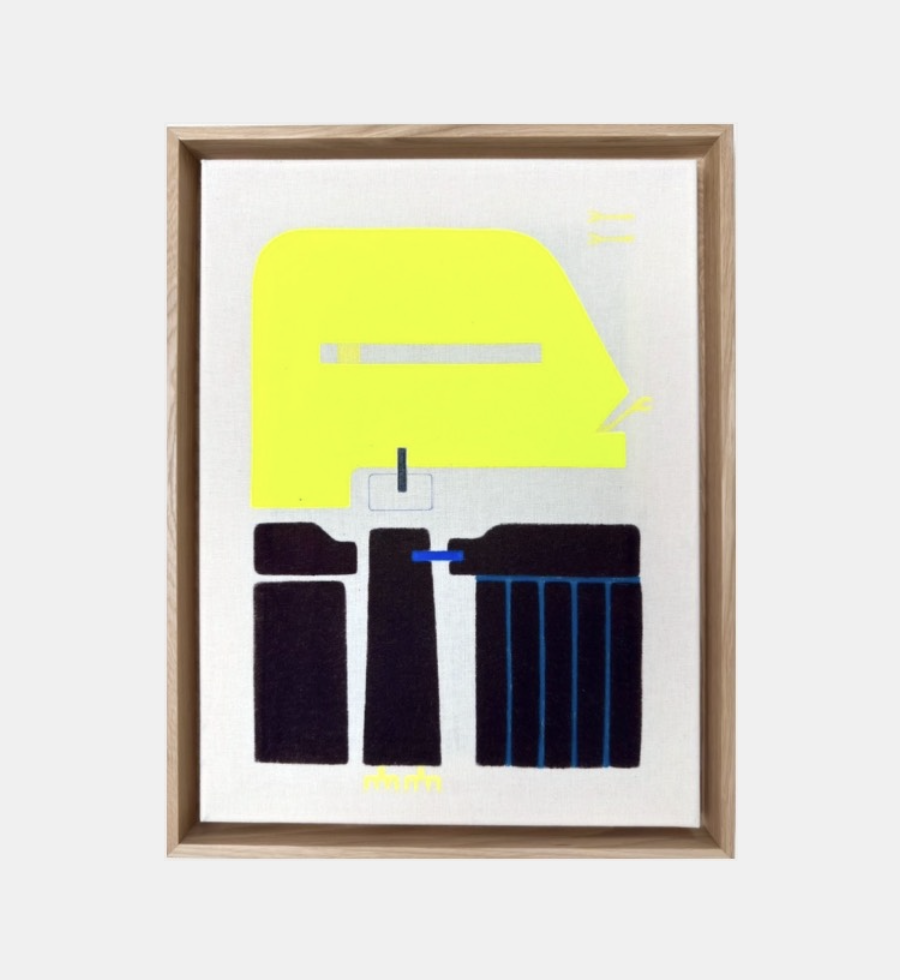
Siren I (the mermaid), 2026, ink and pigments on canvas, 34 × 44 × 3.5 cm
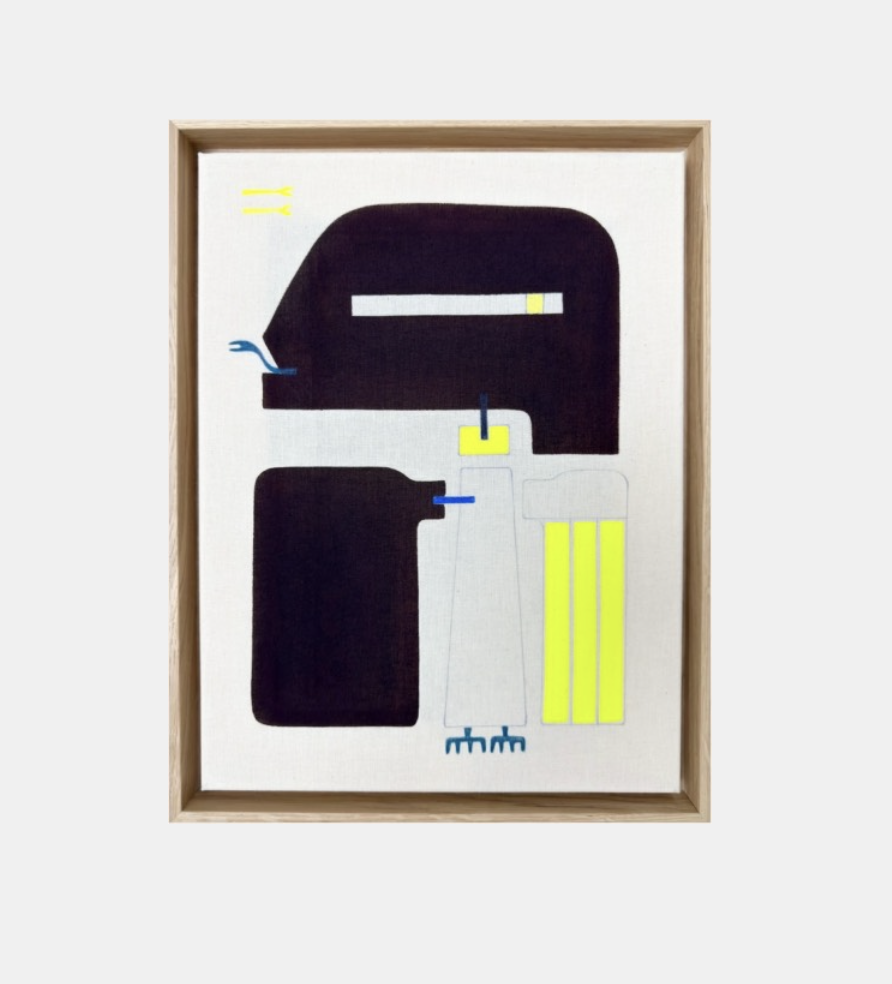
Siren II (the mermaid), 2026, ink and pigments on canvas, 34 × 44 × 3.5 cm
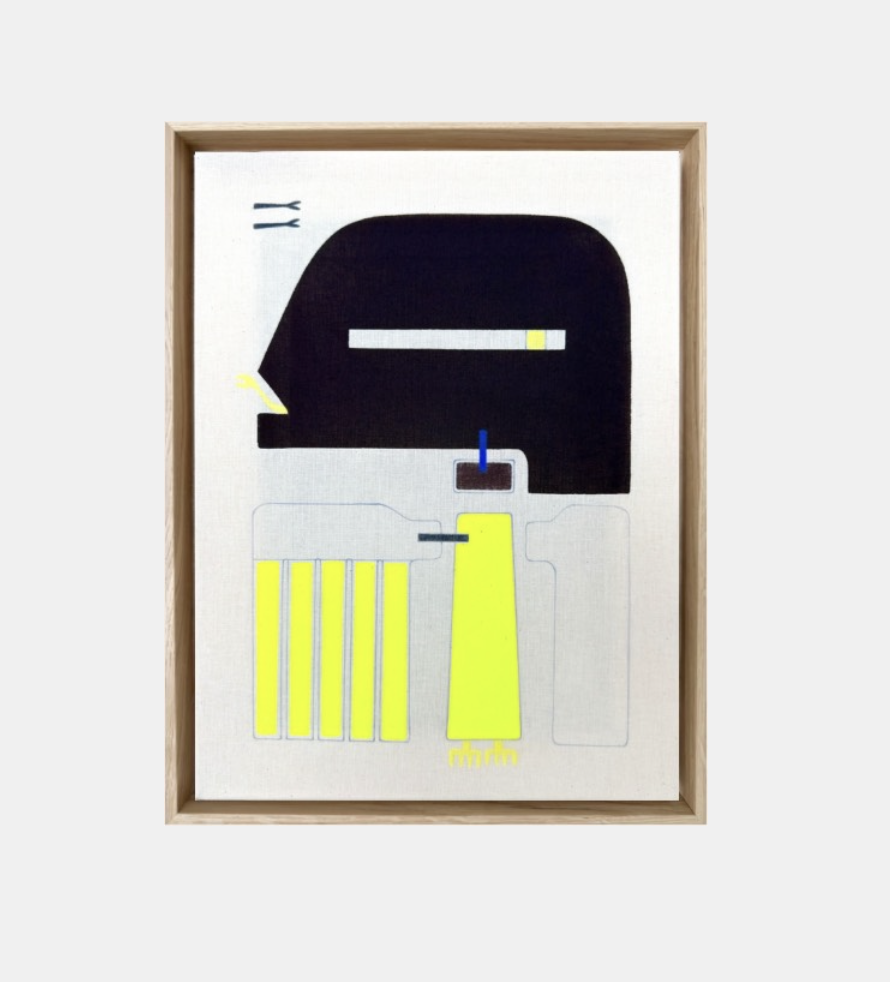
Siren III (the mermaid), 2026, ink and pigments on canvas, 34 × 44 × 3.5 cm
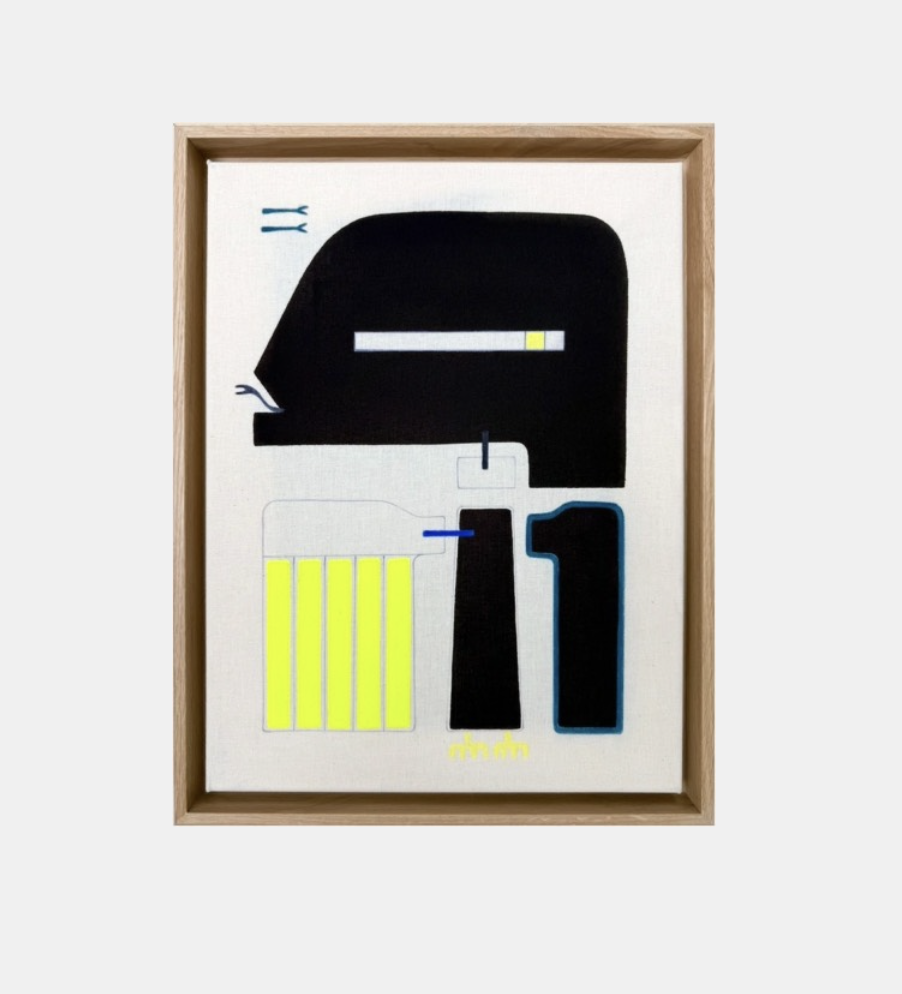
Siren IV (the mermaid), 2026, ink and pigments on canvas, 34 × 44 × 3.5 cm
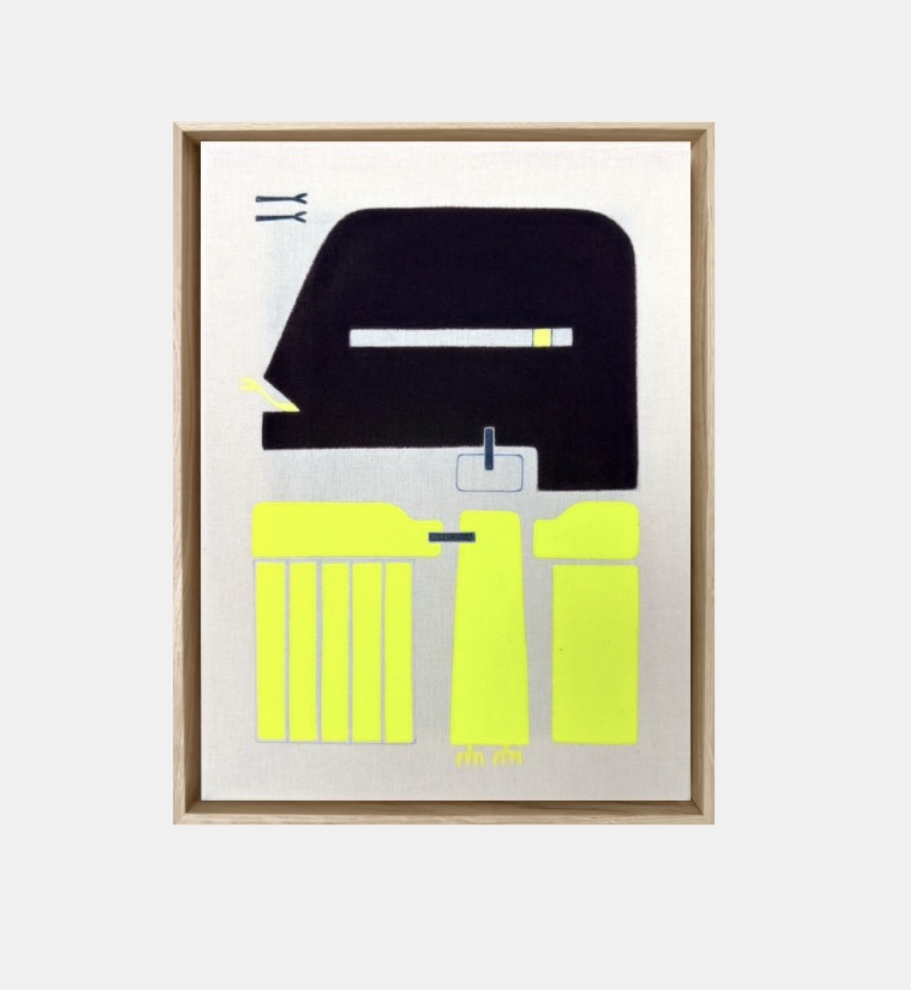
Siren V (the mermaid), 2026, ink and pigments on canvas, 34 × 44 × 3.5 cm
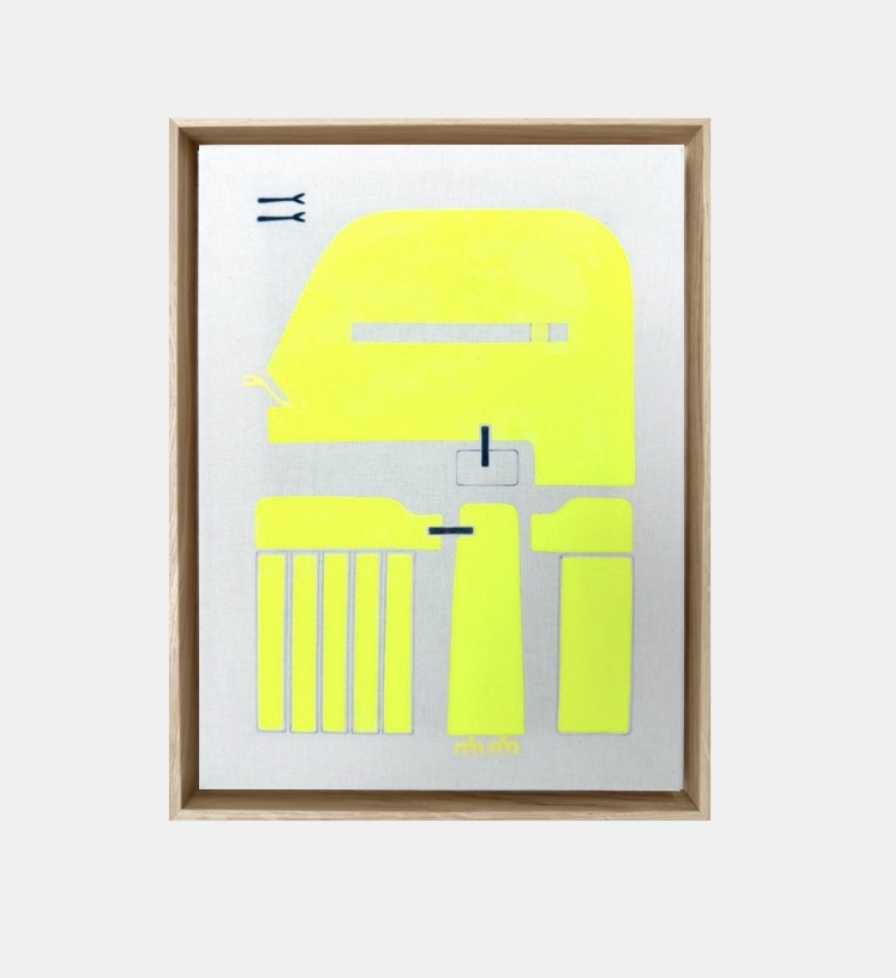
Siren VI (the mermaid), 2026, ink and pigments on canvas, 34 × 44 × 3.5 cm
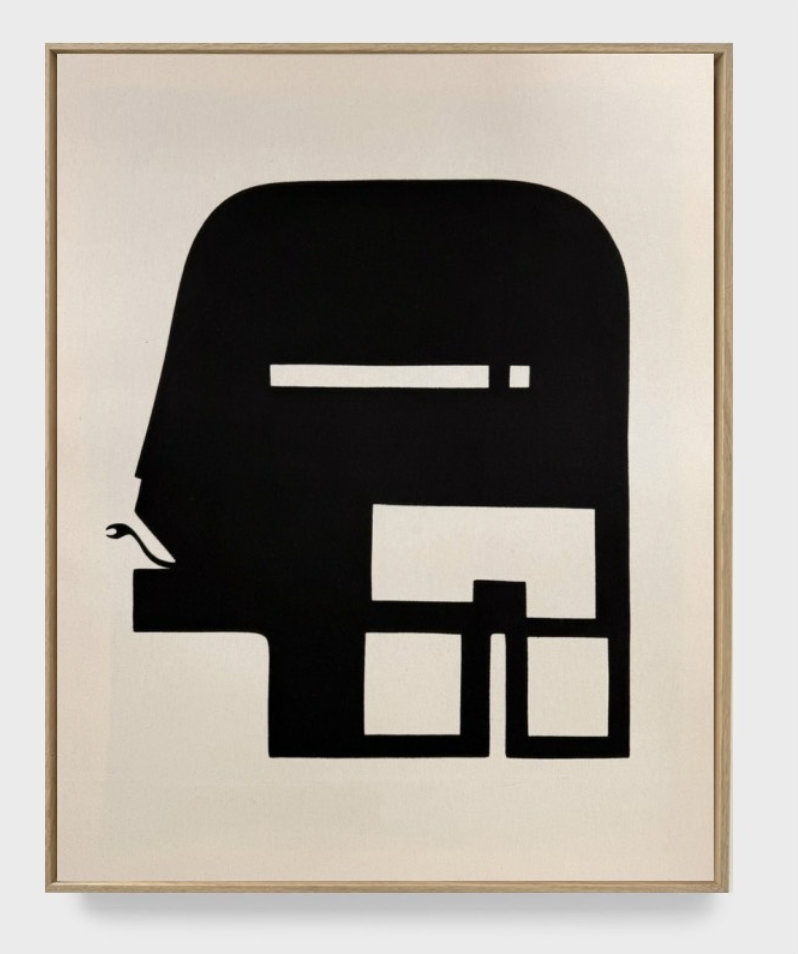
Femina possibilis I (The possibility of a woman), 2026, ink and pigments on canvas, 84 x 104 x 3,5 cm
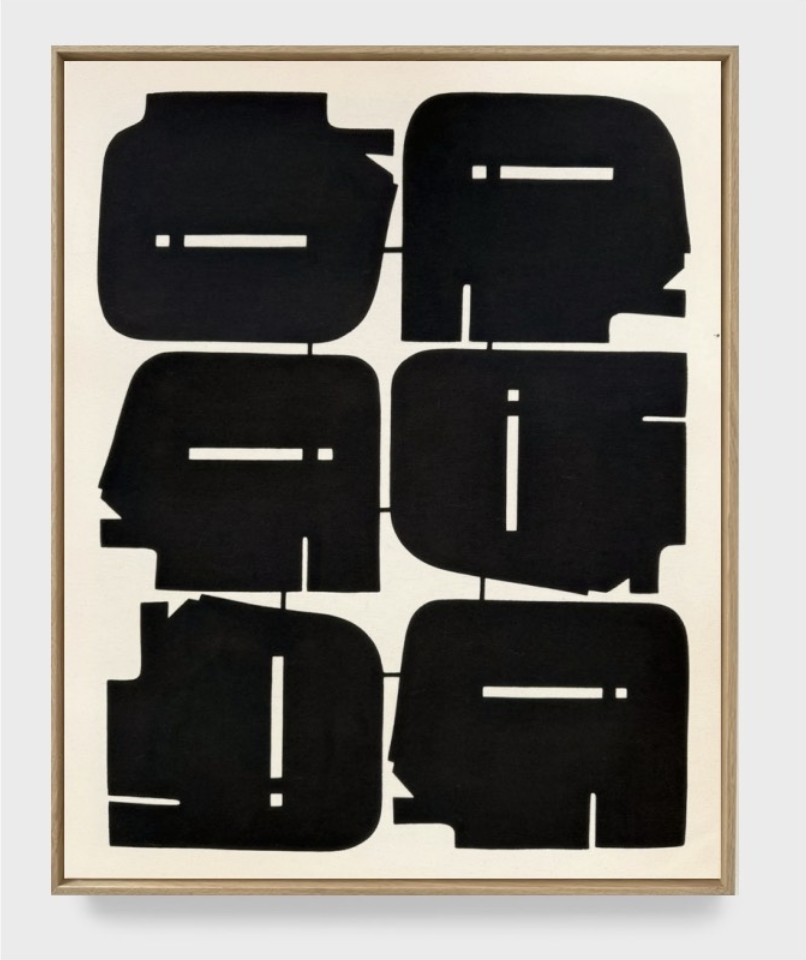
Liberi (ex latin: Children ), 2026, ink and pigments on canvas, 84 x 104 x 3,5 cm
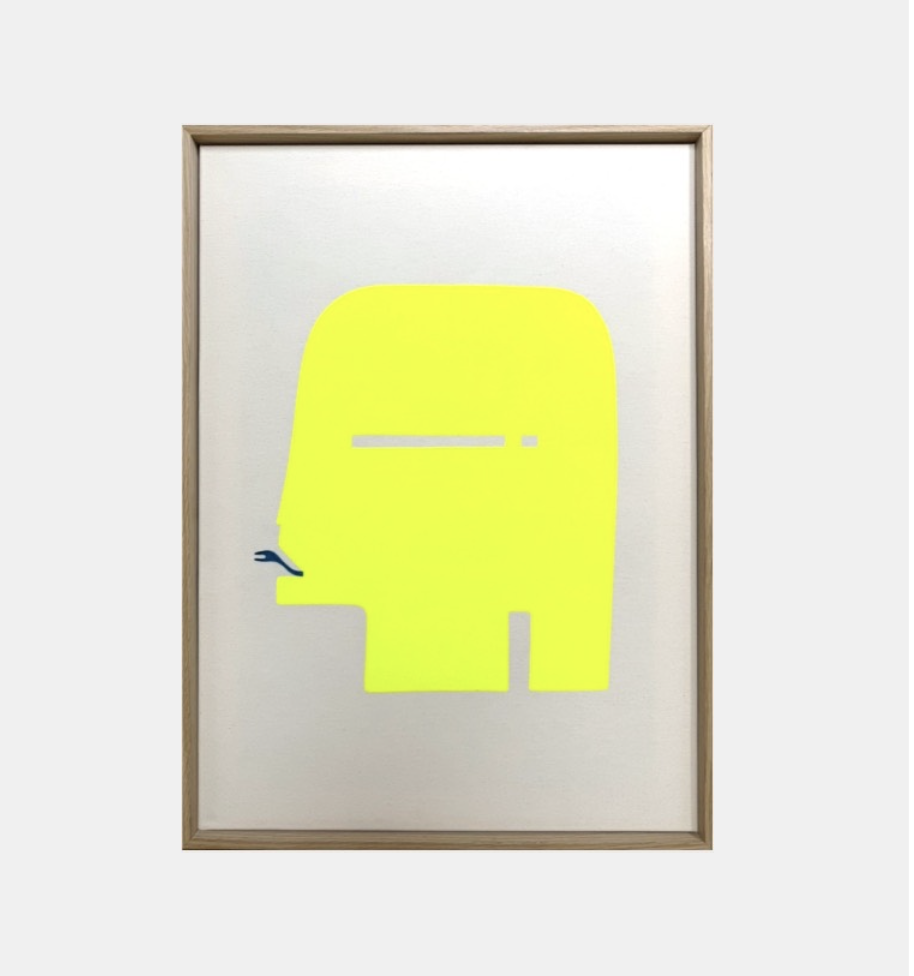
Caput flavus ,(ex latin : the golden head ), 2026, ink and pigments on canvas, 64 x 84 x 3,5 cm
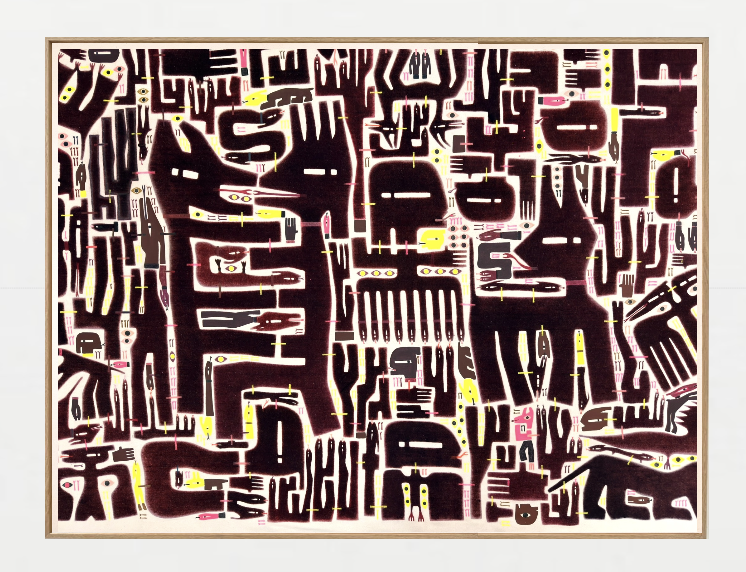
Metamorphoses, 2026; Ink and pigments on canvas; Dimensions: 204 x 154 x 6 cm
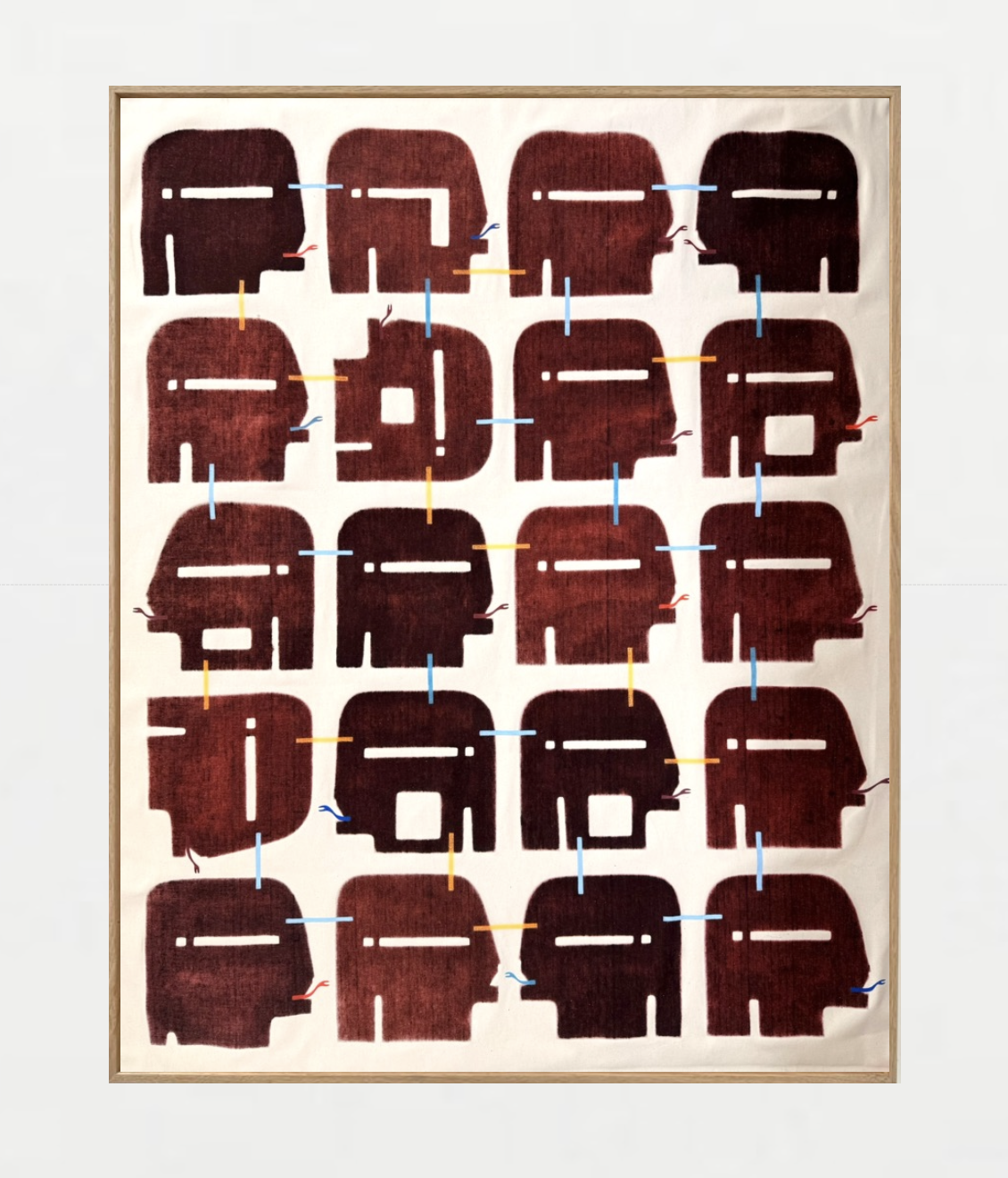
Human planning in red, 2026; Ink and pigments on canvas; Dimensions: 164 x 134 x 6 cm
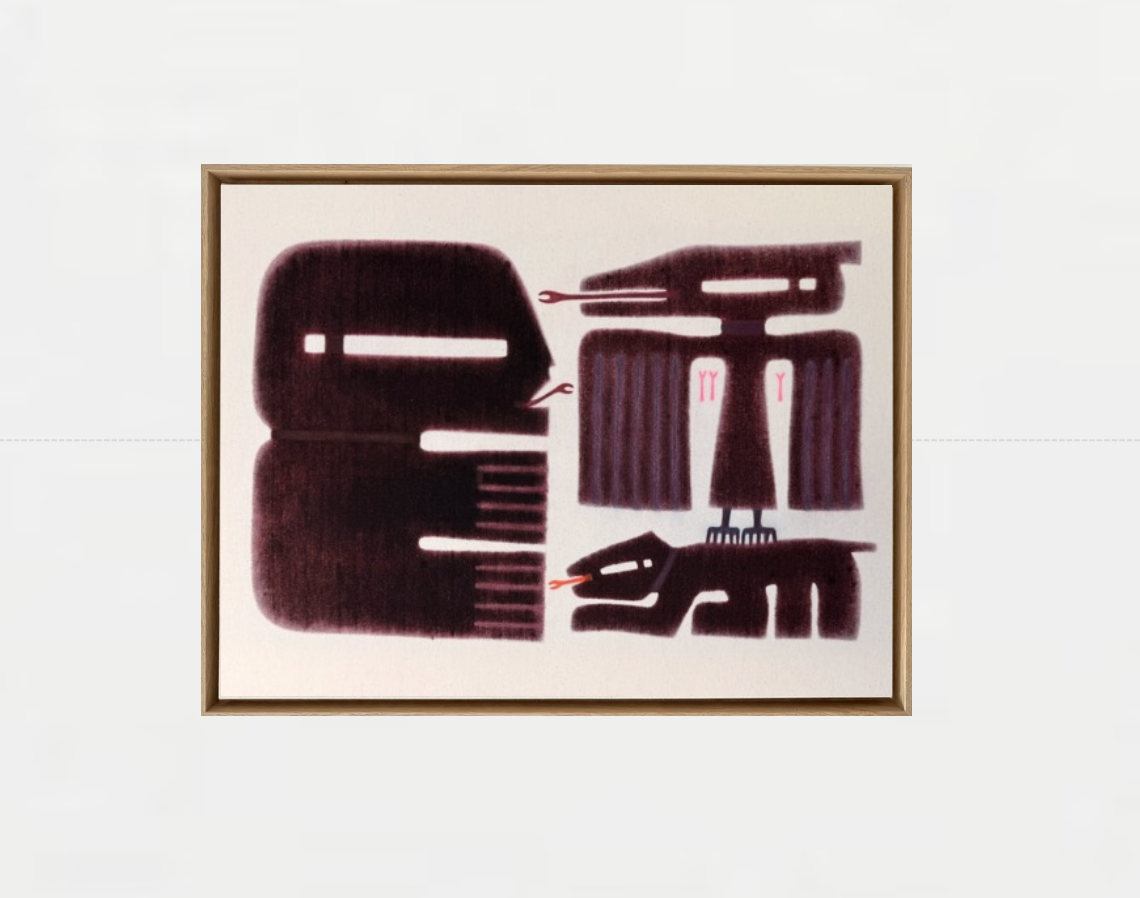
Infans, Panthera et Avis, 2026; Ink and pigments on canvas; Dimensions: 64 x 44 x 3,5 cm
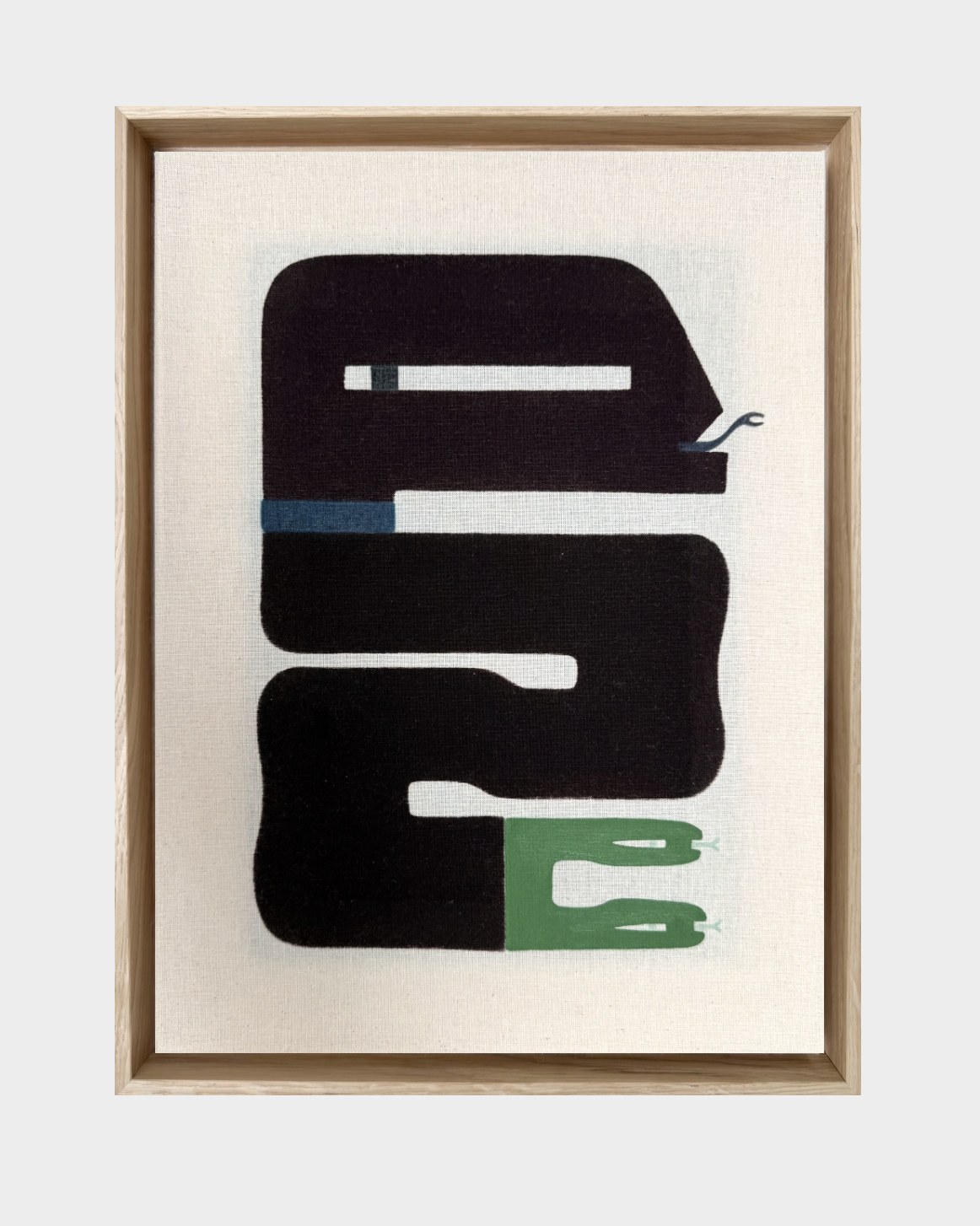
Parthenope I , 2026; Ink and pigments on canvas; Dimensions: 34 x 44 x 3,5 cm
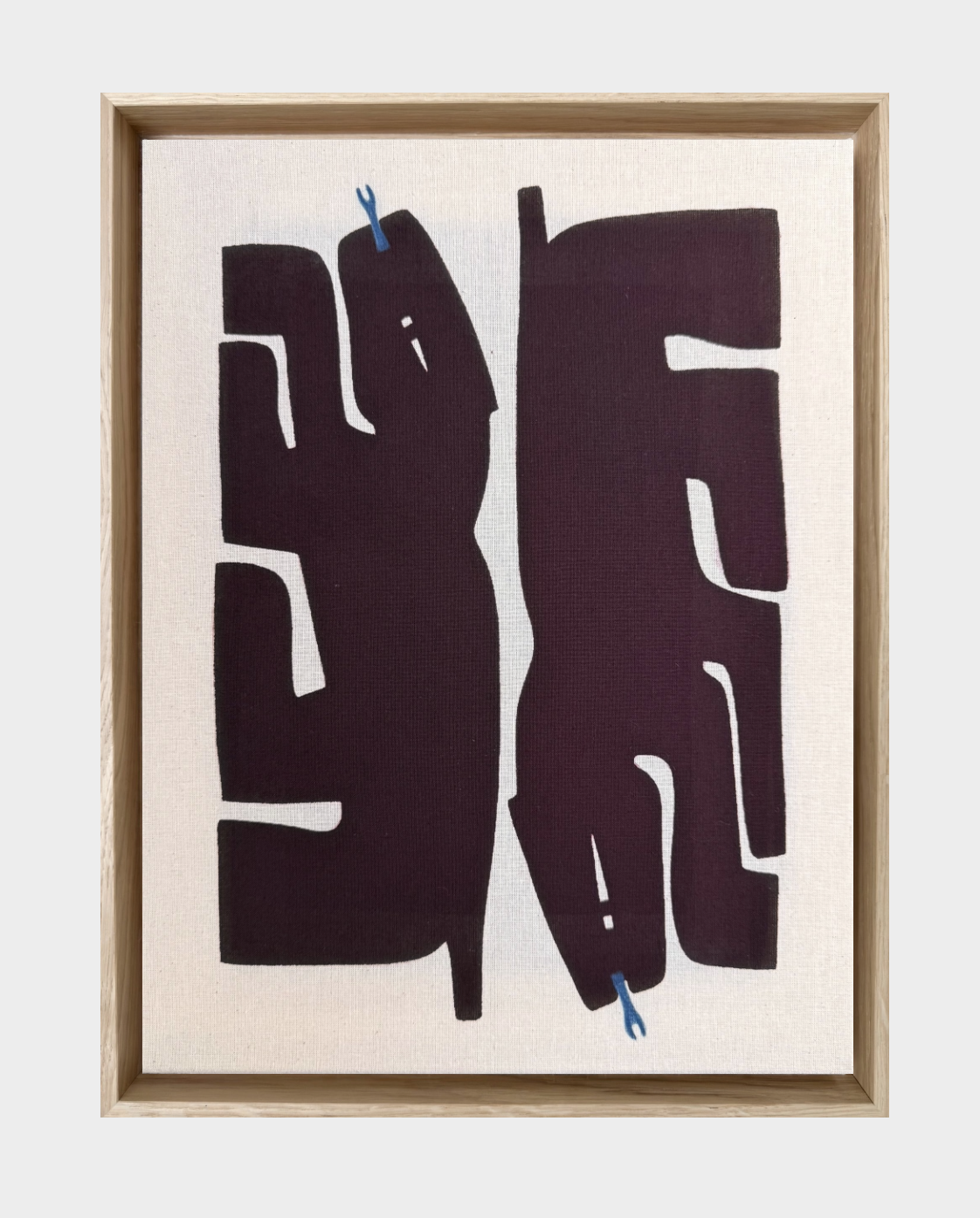
Pantherae, 2026; Ink and pigments on canvas; Dimensions: 34 x 44 x 3,5 cm
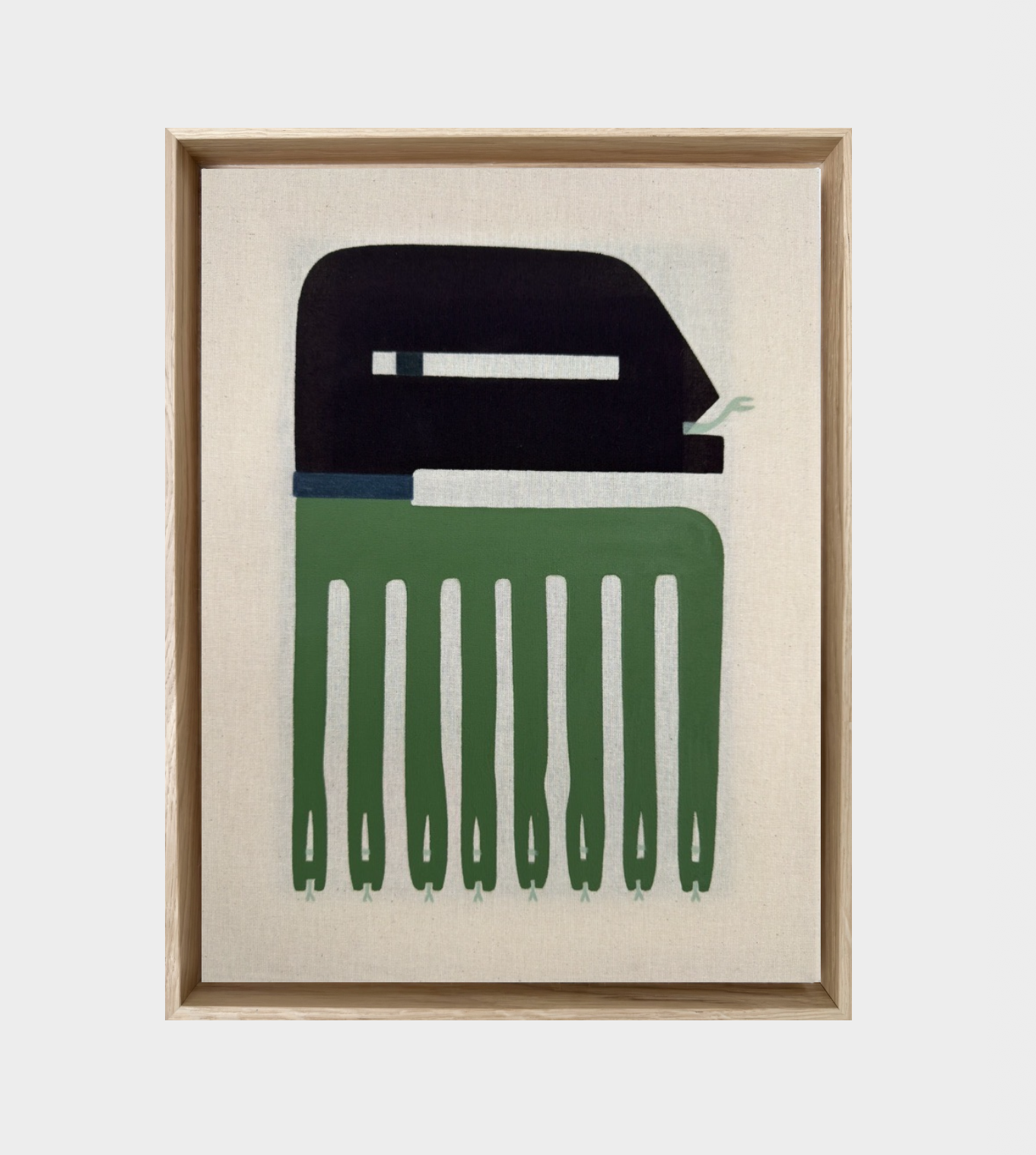
Peisinoe I, 2026; Ink and pigments on canvas; Dimensions: 34 x 44 x 3,5 cm
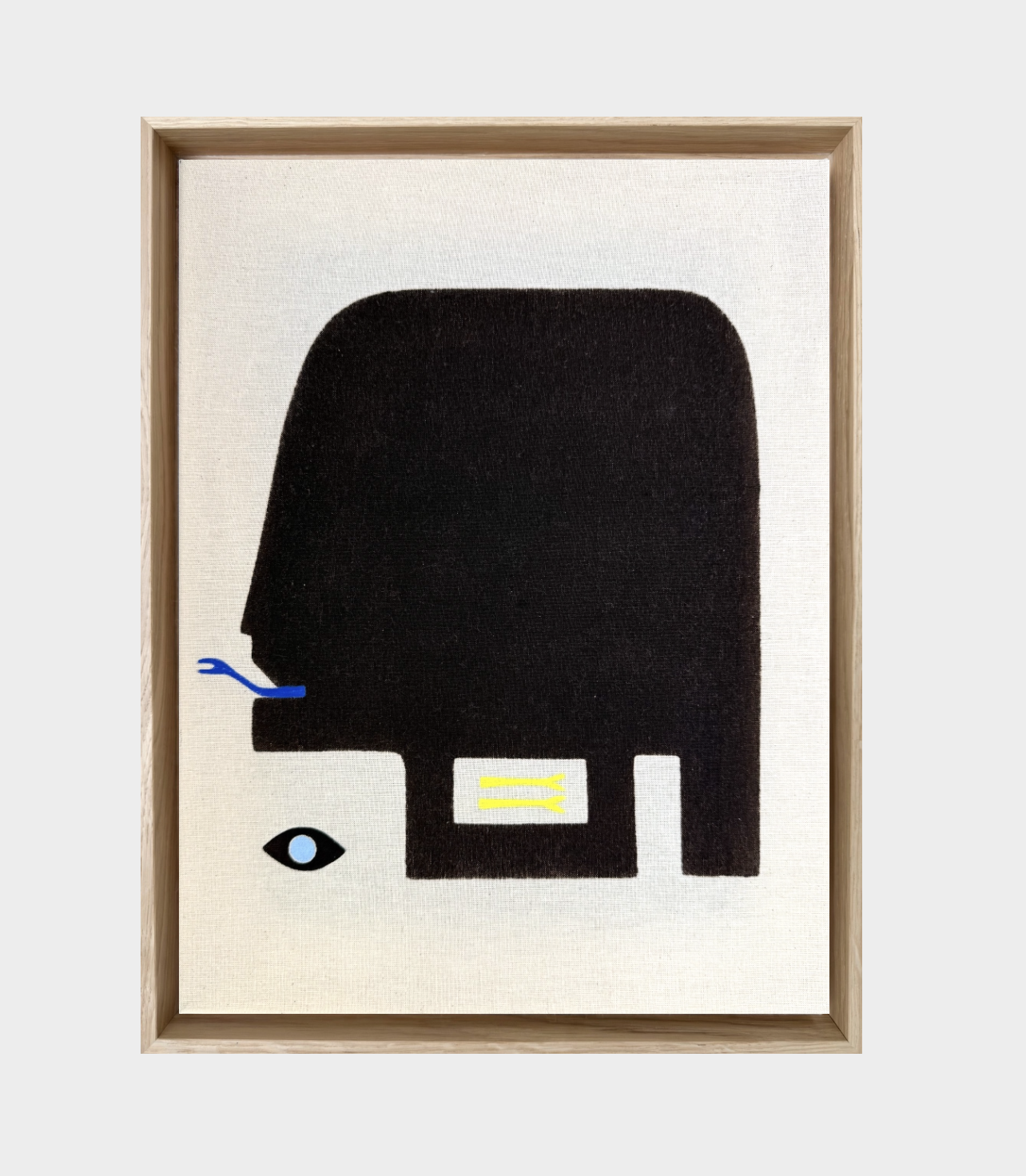
Femen III, 2026; Ink and pigments on canvas; Dimensions: 34 x 44 x 3,5 cm
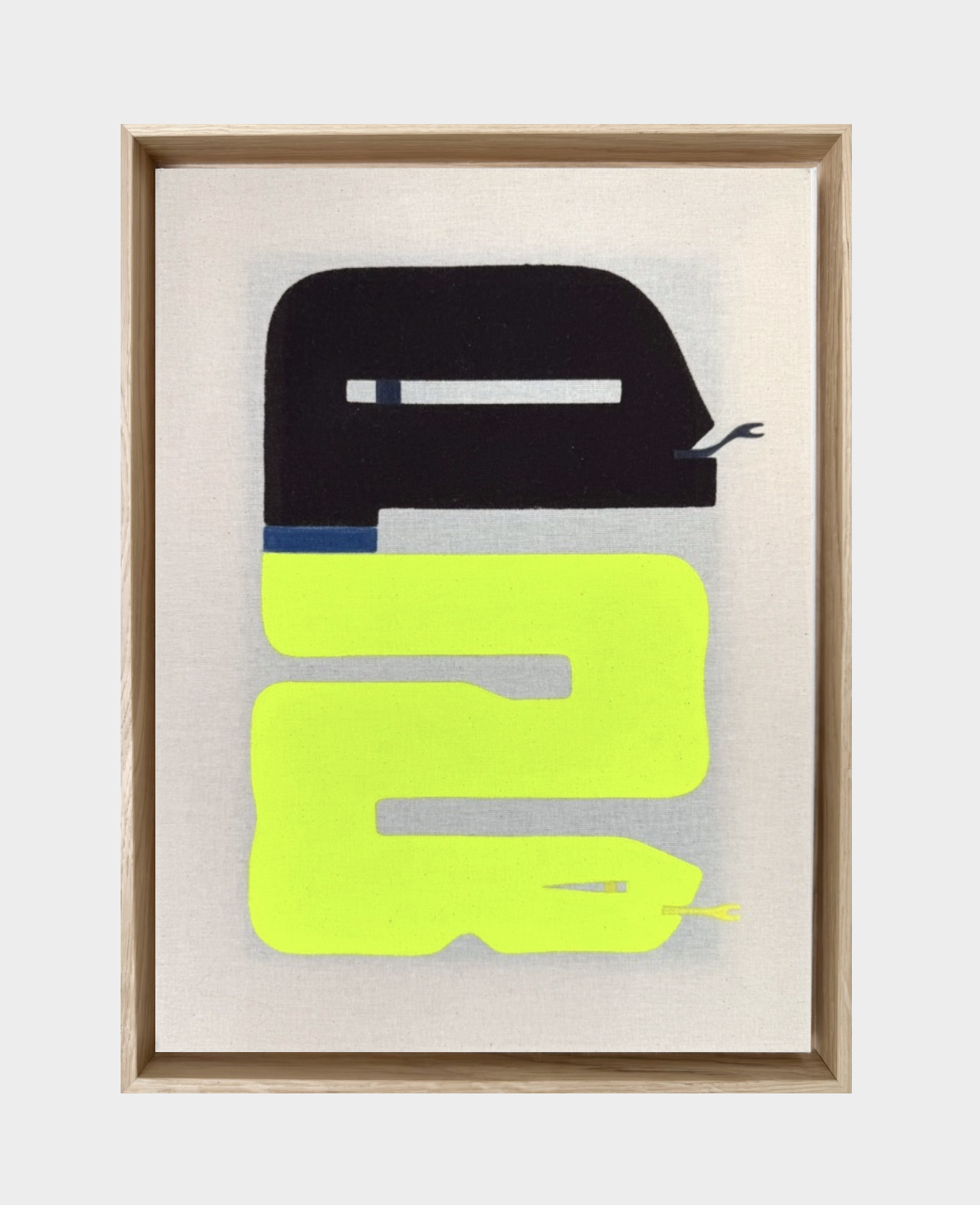
Thelxiepeia III, 2026; Ink and pigments on canvas; Dimensions: 34 x 44 x 3,5 cm
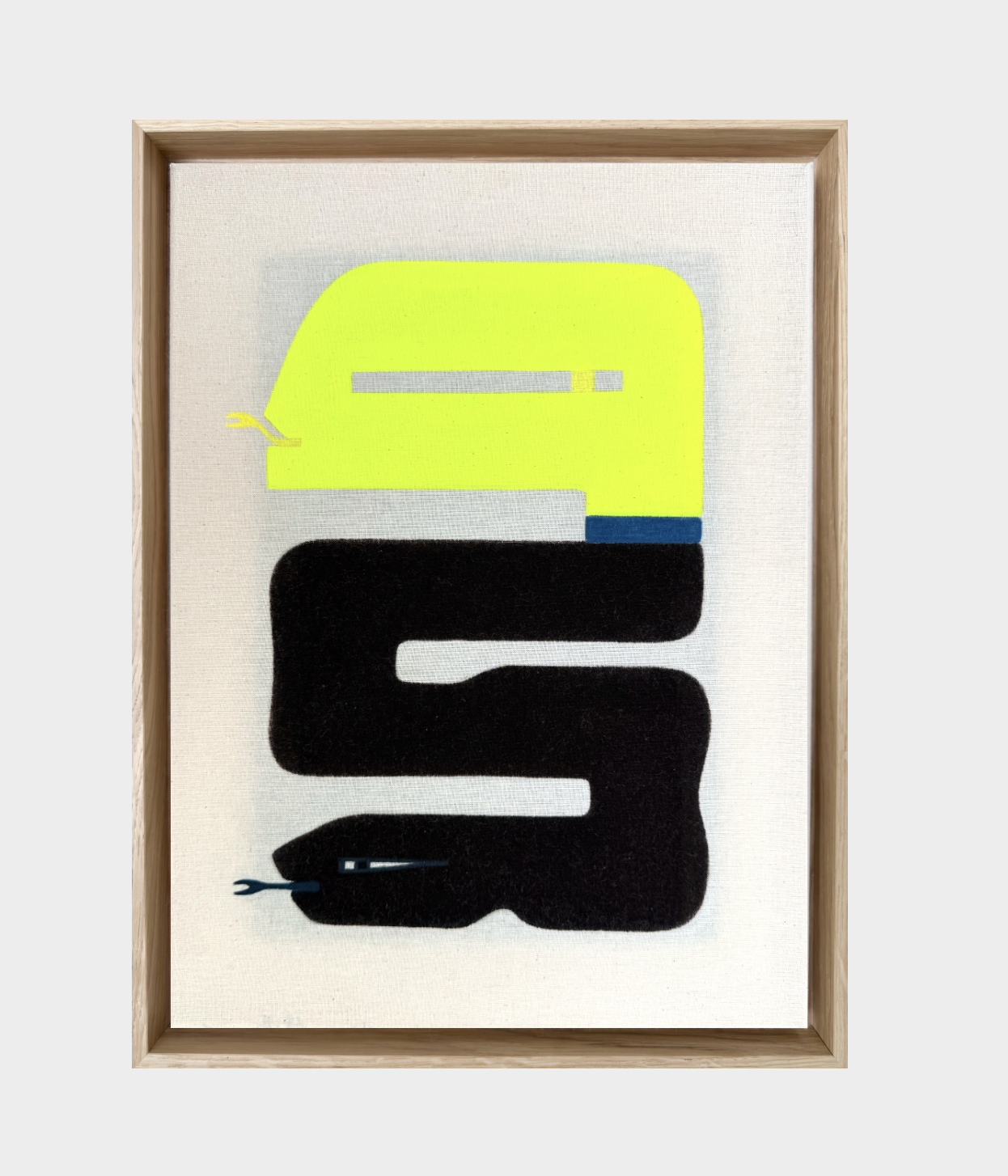
Thelxiepeia II, 2026; Ink and pigments on canvas; Dimensions: 34 x 44 x 3,5 cm
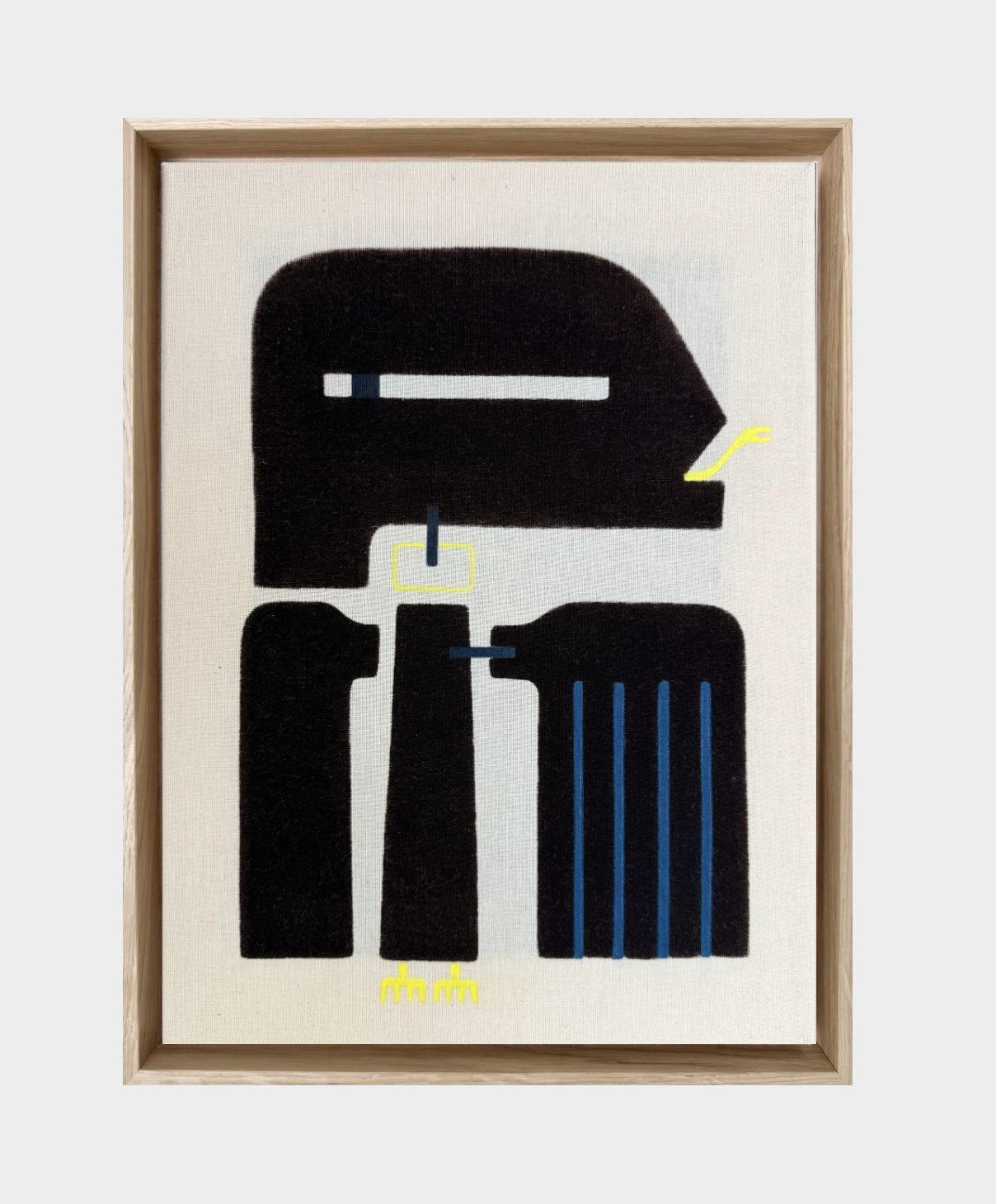
Siren VII,( ex latin : the mermaid) , 2026; Ink and pigments on canvas; Dimensions: 34 x 44 x 3,5 cm
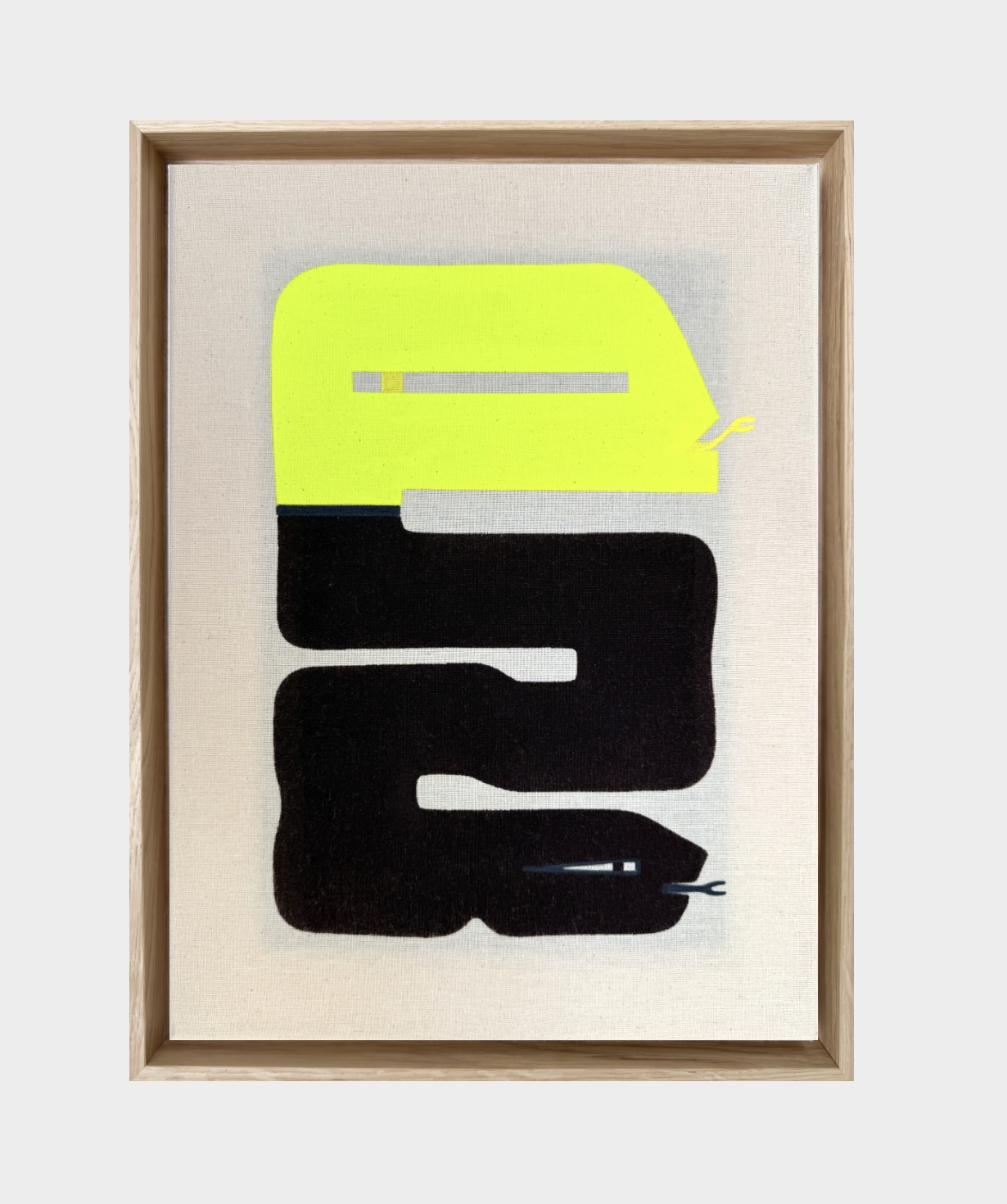
Thelxiepeia I , 2026; Ink and pigments on canvas; Dimensions: 34 x 44 x 3,5 cm